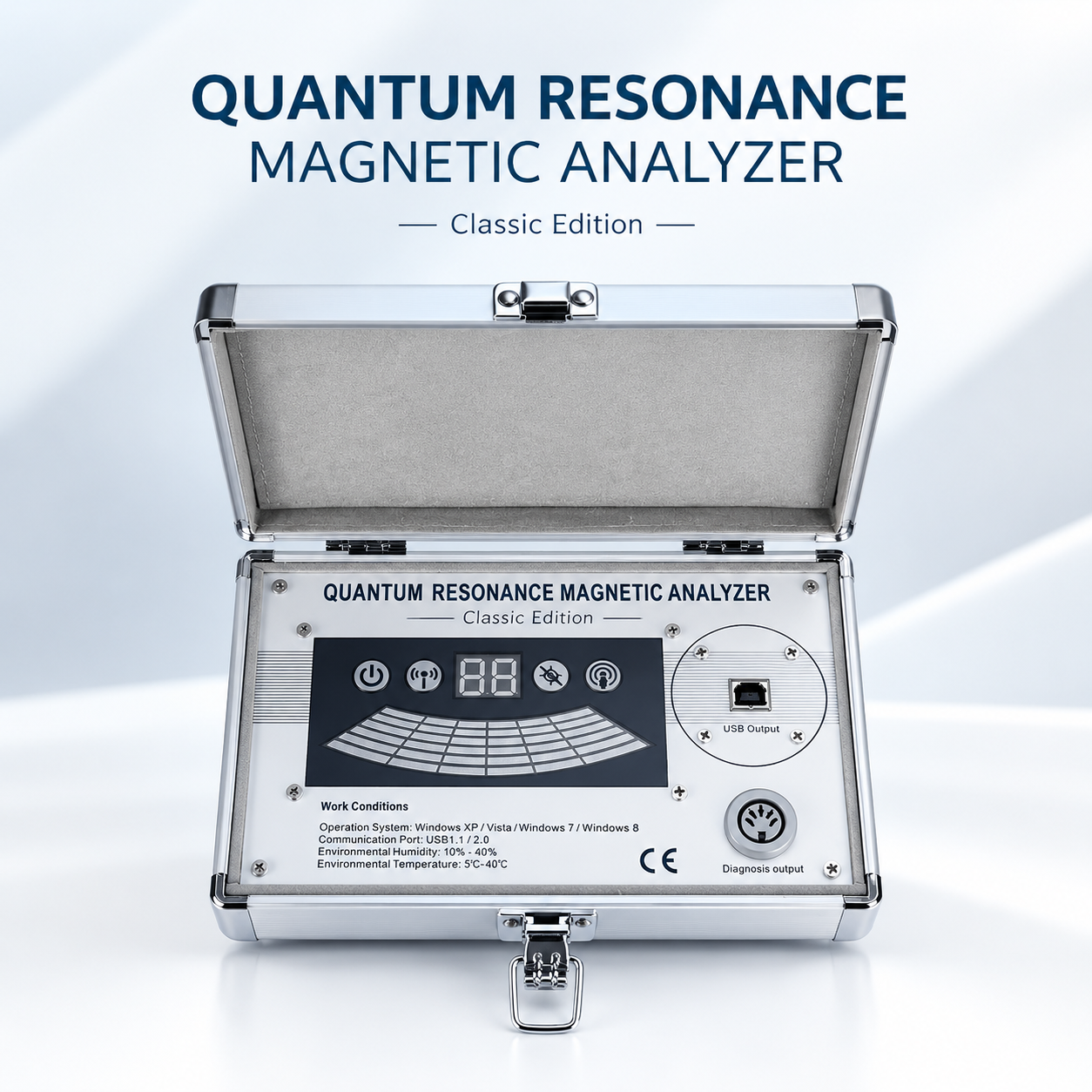
Quantum Magnetic Analyzer vs. Traditional Checkups & MRI
In modern health management, the demand for physical assessments has expanded far beyond visiting a hospital only when symptoms appear. Today, more individuals and wellness professionals are focusing on daily sub-health screening and early prevention. Among various wellness technologies, the Quantum Resonance Magnetic Analyzer (QRMA) has gained widespread attention for its non-invasive and efficient testing approach.
Many prospective users and clinic owners often ask: How does a quantum magnetic analyzer differ from traditional blood tests, ultrasound, or MRI scans? Can it replace hospital examinations? This article breaks down their core differences and explains where each fits into a complete health management routine.
1. Differences in Core Detection Principles
-
Routine Checkups & Blood Tests (Biochemical & Morphological Analysis) Traditional blood work requires drawing bodily fluids to measure chemical components (such as blood glucose, lipids, and liver enzymes) or blood cell counts. Typically, clinical markers only flag abnormalities after measurable biochemical changes or organ stress have already occurred.
-
Ultrasound, CT, and MRI (Medical Imaging) Diagnostic imaging focuses on the physical structure and morphology of tissues and organs. Using sound waves, X-rays, or strong magnetic fields, these scans detect structural issues such as nodules, cysts, fluid buildup, or tissue lesions.
-
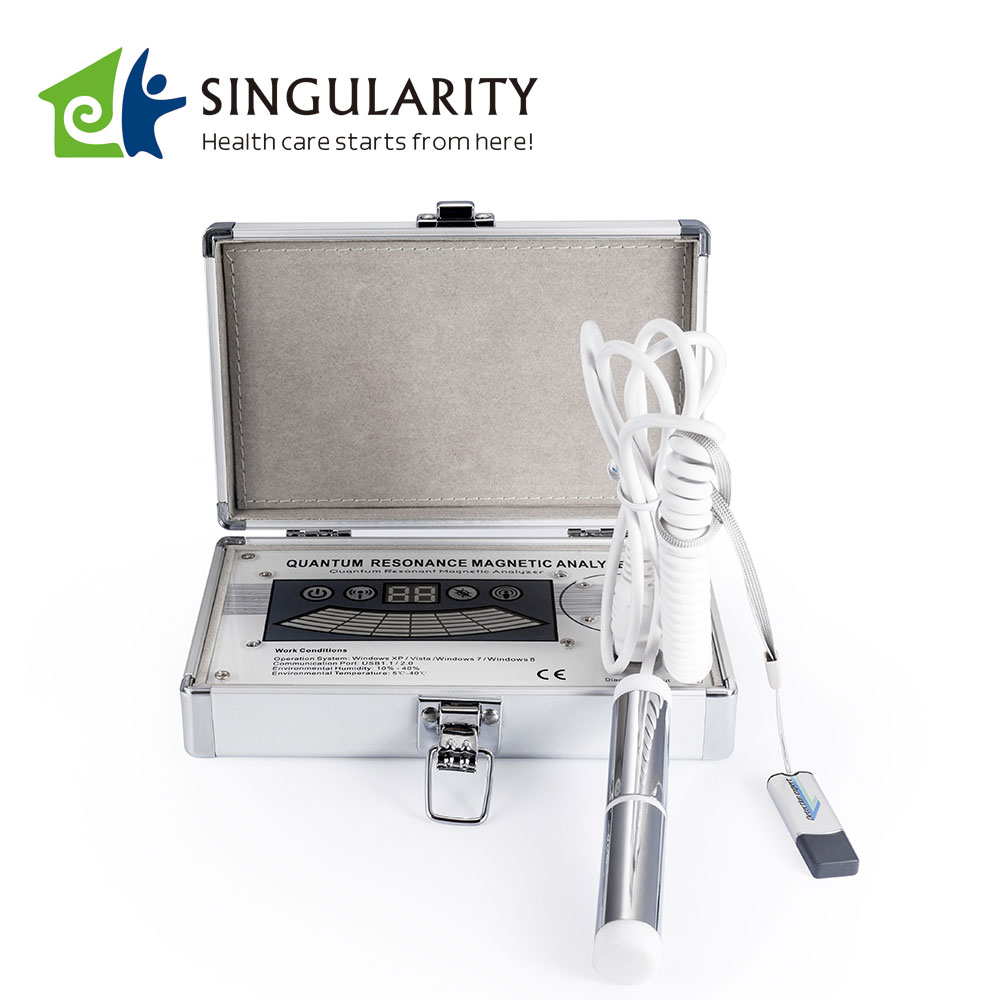
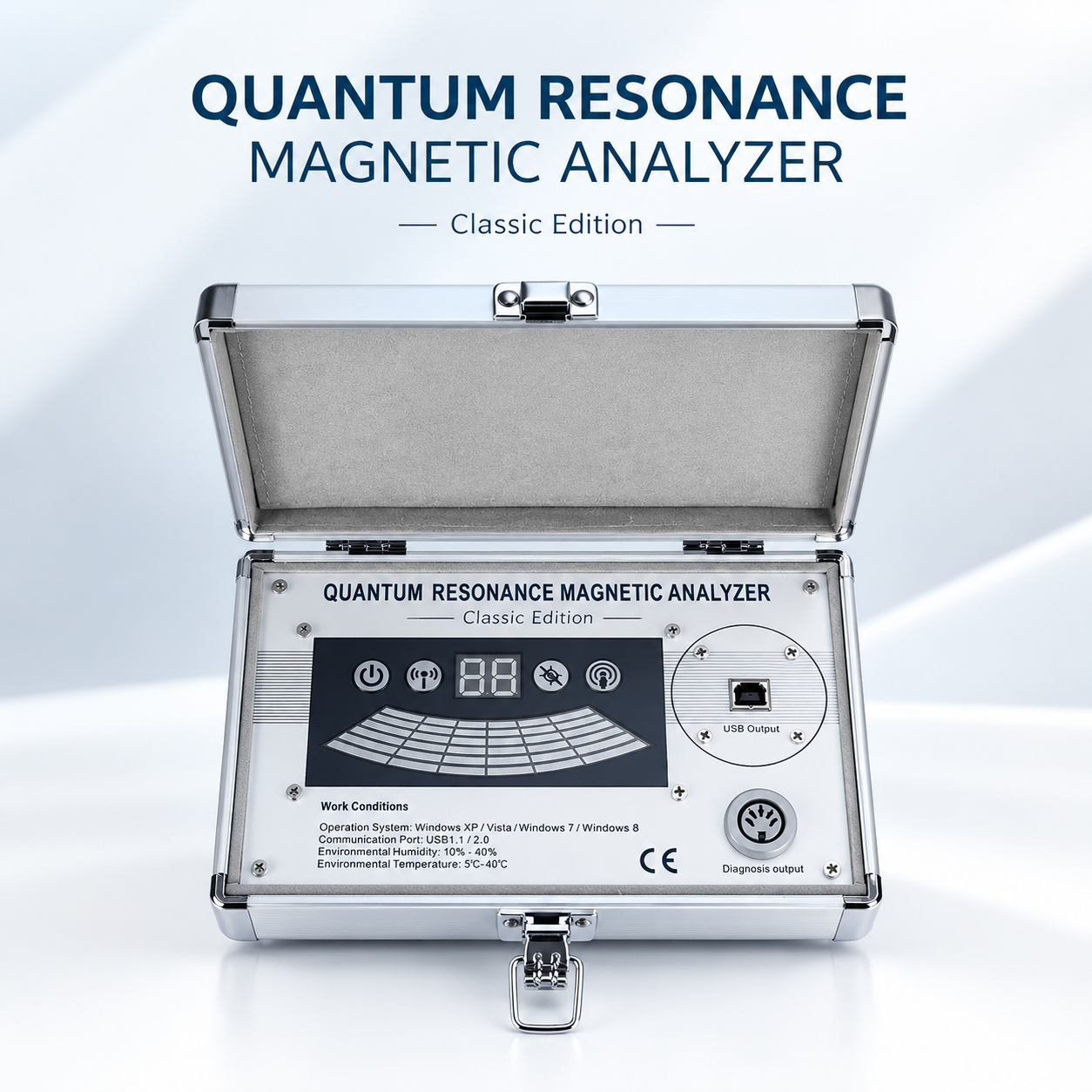
Quantum Resonance Magnetic Analyzer (Bio-Electromagnetic & Weak Magnetic Field Analysis) During cellular division and metabolism, the movement of charged particles emits extremely weak electromagnetic waves. Without drawing blood or using radiation, the QRMA uses a handheld sensor to capture these subtle bio-magnetic frequencies. The software then compares the collected signals against a built-in standard health database to evaluate functional trends and sub-health status across different body systems.
2. Multi-Dimensional Comparison
| Comparison Dimension | Quantum Resonance Magnetic Analyzer (QRMA) | Traditional Blood / Biochemical Tests | Ultrasound / CT / MRI Scans |
| Testing Method | Non-invasive (simply hold the sensor rod) | Invasive (requires blood draw or sample collection) | Non-invasive (contrast dye required for certain scans) |
| Testing Time | Ultra-fast (approx. 1–2 minutes for a full-body scan) | Longer (waiting in line, lab processing takes hours to days) | Longer (appointments required; 10–40 minutes per scan) |
| Pain & Radiation | Painless, radiation-free, zero side effects | Mild discomfort from needle puncture | Ultrasound/MRI have no radiation; CT/X-ray involve ionizing radiation |
| Primary Focus | Sub-health screening, trace elements, functional wellness trends | Blood biochemistry, infections, metabolic markers | Organ structure, physical abnormalities, lesion localization |
| Ideal Scenarios | Home daily monitoring, beauty salons, wellness centers | Hospital clinical diagnosis, annual medical exams | Specialized hospital diagnosis, pre-surgical evaluation |
3. Replacement or Complement?
Understanding how these technologies work makes their roles clear: they do not replace one another; rather, they serve as complementary tools at different stages of health management.
-
Early Wellness Screening vs. Clinical Diagnosis: The key advantage of a quantum magnetic analyzer lies in proactive wellness tracking. Before physical lesions develop—when the body is simply experiencing fatigue, nutritional imbalances, or sluggish microcirculation—the QRMA provides dozens of functional trend indicators to help guide lifestyle and dietary adjustments. Conversely, when clinical symptoms are present or a definitive medical diagnosis is required, hospital blood tests and Ultrasound/MRI scans remain the authoritative standard.
-
High-Frequency Tracking vs. Periodic Deep Exams: Because lab tests and medical imaging are costly and time-consuming, most people undergo them once a year. With zero consumables, no discomfort, and 1-minute results, a QRMA device is ideal for weekly or monthly wellness tracking, allowing health practitioners and individuals to monitor before-and-after progress dynamically.

This article is provide from [Quantum analyzer],please indicate the source address reprinted:https://www.quantumresonancemagneticanalyzer.com/quantum-resonance-magnetic-analyzer-reports/quantum-magnetic-analyzer-vs-traditional-checkup-mri.html